






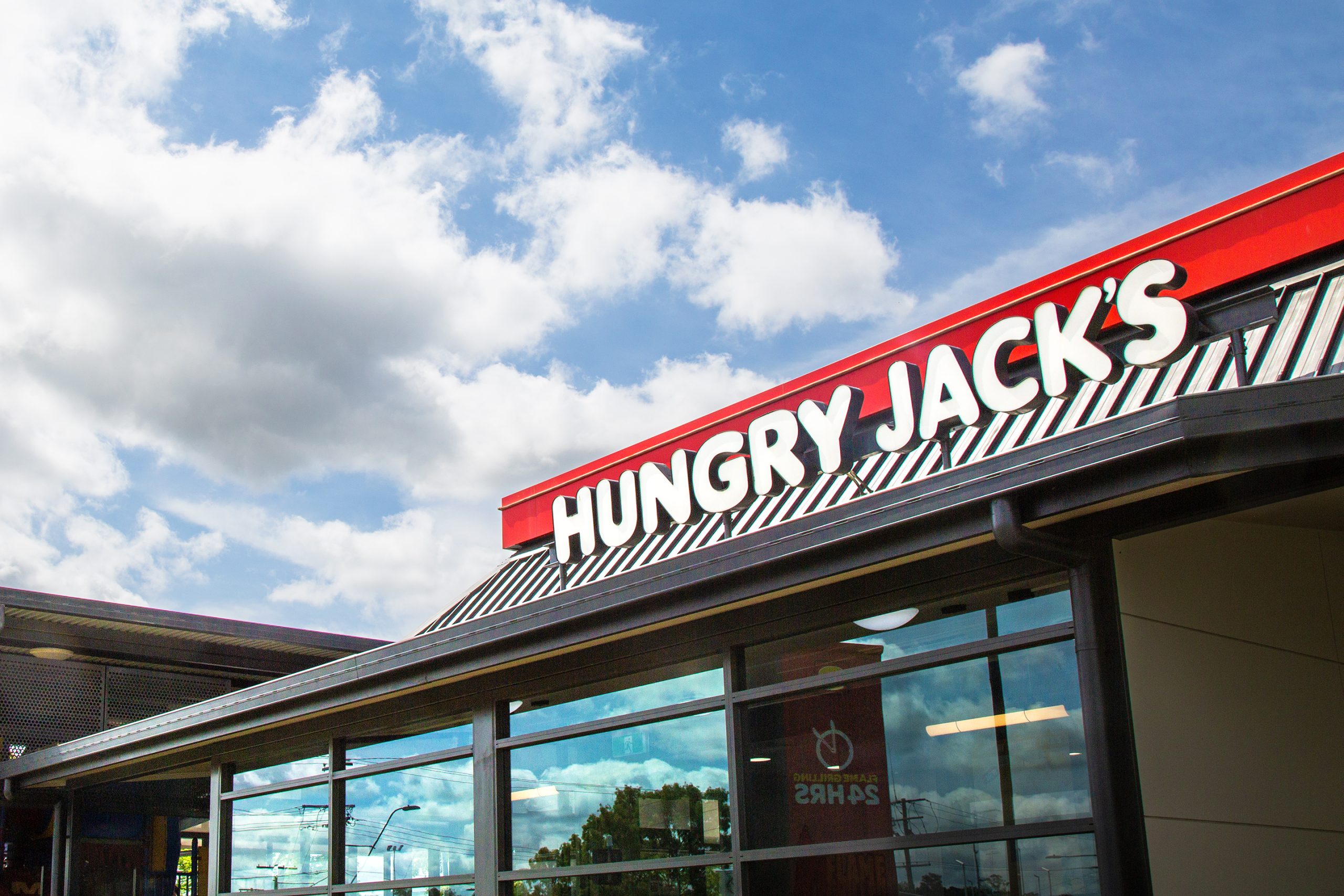
Scaling a brand across multiple locations should strengthen your presence, not dilute it. But for many businesses, the opposite happens.
One site gets new signage. Another is still running outdated branding. A third has something improvised that doesn’t quite match.
Managing signage consistency across 10, 50, or 80 sites isn’t just a branding challenge. It is a process problem. And most issues start earlier than expected.
Where multi-site signage goes wrong (and what it costs)
As your network grows, signage becomes harder to control. Every site introduces new variables, including:
- Different building types and layouts
- Local regulations and landlord requirements
- Multiple suppliers and installers
- Staggered rollout timelines
- Incomplete or inconsistent documentation
Without strong coordination, small variations quickly add up. Slight differences in colour, materials, lighting, or layout can create a fragmented brand presence across your network.
The impact goes beyond appearance. Inconsistent signage often leads to:
- Rework and duplicated effort
- Missed deadlines and rollout delays
- Increased installation and logistics costs
- Ongoing maintenance complexity
- Reduced effectiveness of national campaigns
At scale, these issues compound quickly. Poor planning and inconsistent inputs are a major cause of delays and inefficiencies in multi-site rollout programs.
What consistency actually requires
Keeping signage aligned across a national footprint is not about managing each site individually. It is about building a system that scales.
At a practical level, that comes down to three things:
1. Clear signage standards
Every site must start from the same baseline, including specifications for logos, colours, typography, materials, and illumination. Consistent standards ensure every location reinforces the same brand identity and customer expectations.
2. Coordinated rollout planning
Multi-site signage requires sequencing, scheduling, and alignment across locations. Without coordination, sites fall out of sync, weakening campaign impact and creating visible inconsistency across the network.
3. Centralised control
As the number of sites increases, so does the need for a single source of truth. Managing design files, specifications, and approvals centrally reduces variation and prevents site-by-site interpretation.
The missing link: your signage brief
Most signage inconsistencies don’t happen during installation. They happen at the very start of the project.
When the brief is unclear or inconsistent, every downstream decision becomes harder.
A signage partner can only deliver consistent outcomes if they are working from consistent inputs.
Why a clear signage brief matters
A well-structured signage brief aligns your project from day one by defining:
- What you are trying to achieve
- What needs to be delivered
- Where it is going
- When it needs to happen
Without this clarity, projects are more likely to run into delays, additional costs, and avoidable rework. Missing scope, overlooked site constraints, and unclear timelines are common causes of project issues.
What happens when the brief is inconsistent
If each site is briefed differently, the outcome is predictable:
- Inconsistent execution across locations
- Variations in materials and finishes
- More revision cycles
- Delays caused by clarification and rework
Even the best signage teams cannot compensate for missing or inconsistent information.
Turning consistency into a competitive advantage
When signage is managed properly across a national network, the difference is clear.
Every site reinforces the same message. Every rollout lands with consistency. Every location contributes to a stronger brand presence.
Well-executed signage programs:
- Strengthen brand recognition
- Improve customer experience
- Reduce long-term costs
- Support faster, more scalable rollouts
Instead of becoming a source of friction, signage becomes a reliable asset for growth.
Start with the brief
Consistency across 80 sites doesn’t happen during installation. It happens at the beginning of the project.
A clear signage brief gives your team, suppliers, and installers the information they need to deliver the same outcome, every time.
If you want fewer delays, more predictable costs, and a consistent brand across every location, start with the right inputs.